OPC From Grape Seed and Pine Bark: What The Antioxidant Hype Gets Right
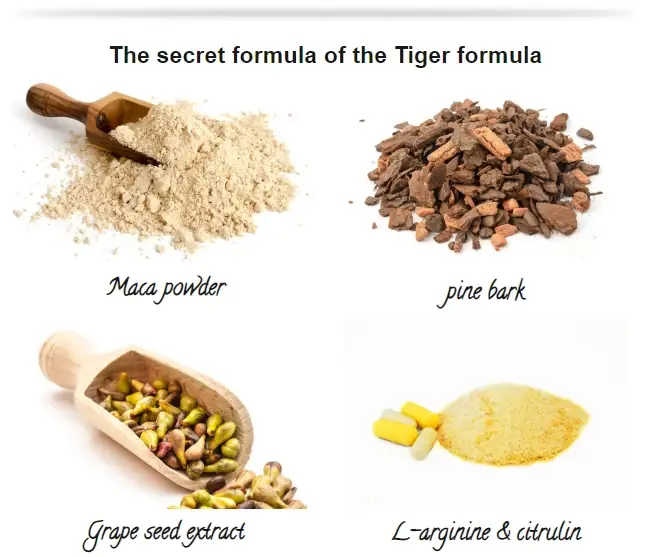
Oligomeric proanthocyanidins, or OPC, are a family of plant compounds found concentrated in grape seeds and pine bark. They've become a popular ingredient in supplements aimed at circulation and cellular health, and it's worth being precise about what's actually established versus what's marketing gloss.
The Ingredients, Not A Claim
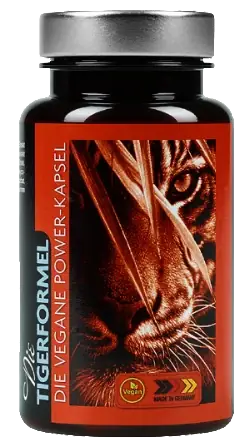
Under EU rules, plant extracts like grape seed and pine bark don't currently have an approved health claim of their own — unlike zinc, selenium or vitamin C. That means Tiger Formel lists grape seed extract (120:1, 95% OPC, 140 mg) and pine bark extract (95% proanthocyanidins, 140 mg) as ingredients with a declared amount, without attaching a specific effect claim to them.
Where Vitamin C Comes In
What we can say with an approved claim is about vitamin C, also part of the formula at 21 mg (26% NRV): it helps protect cells from oxidative stress, and it contributes to the reduction of tiredness and fatigue. OPC-rich extracts are often included alongside vitamin C because both are commonly discussed in the context of antioxidant activity, even though only vitamin C carries the formal EU claim here.
Being Honest About The Limits
It would be easy to lean on dramatic marketing language about "wonder compounds," but that's not the approach we take. These are legitimate, well-studied plant extracts included at meaningful, declared doses — presented as ingredients, not as unproven cures.
This article is for general educational purposes and is not medical advice.