Zinc and Testosterone: What The EU Actually Lets Us Say
Supplement marketing is full of bold claims, which is exactly why the EU's Health Claims Regulation exists: to make sure that whatever a label says has actually been reviewed by scientific authorities first. Very few nutrients qualify for a testosterone-related claim at all. Zinc is one of them.
The Exact, Approved Wording
The approved claim reads: "Zinc contributes to the maintenance of normal testosterone levels in the blood." Note the careful phrasing — maintenance of normal levels, not an increase beyond what's normal, and not a treatment for low testosterone as a medical condition.
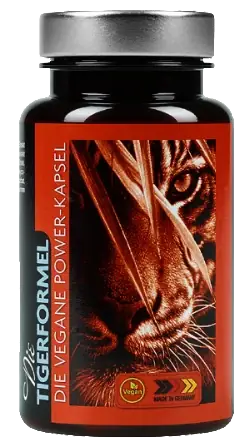
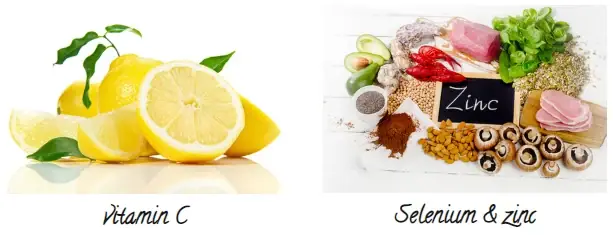
Zinc also carries a second approved claim relevant here: it contributes to normal fertility and reproduction. Tiger Formel provides 2.5 mg of zinc per day, equal to 25% of the Nutrient Reference Value (NRV).
Why Older Men Are More Likely To Be Low
Zinc status can decline with age, reduced dietary variety, or certain medications, and mild deficiency is more common in older adults than many people realize. Supplementing at NRV-appropriate levels is a reasonable way to help close that gap — but it's a maintenance claim, not a performance-enhancing one.
Selenium's Related Role
Selenium, also included in the formula at 13.8 µg (25% NRV), carries its own approved claim: it contributes to normal spermatogenesis. Together with zinc, it rounds out the trace-element side of the formula.
If you suspect an actual testosterone deficiency, that's a hormone panel and a doctor's visit — not something a food supplement is designed to diagnose or treat.
This article is for general educational purposes and is not medical advice.